
Cashing Out
At the height of the AIDS crisis, many gay men sold their life insurance policies to investors for quick cash. This documentary charts the rise and fall of the hundred-million-dollar “gay-death-profiteering” industry that grew out of their desperation, and spotlights one of its earliest investors: the filmmaker’s father.

CinemaSerf@Geronimo1967
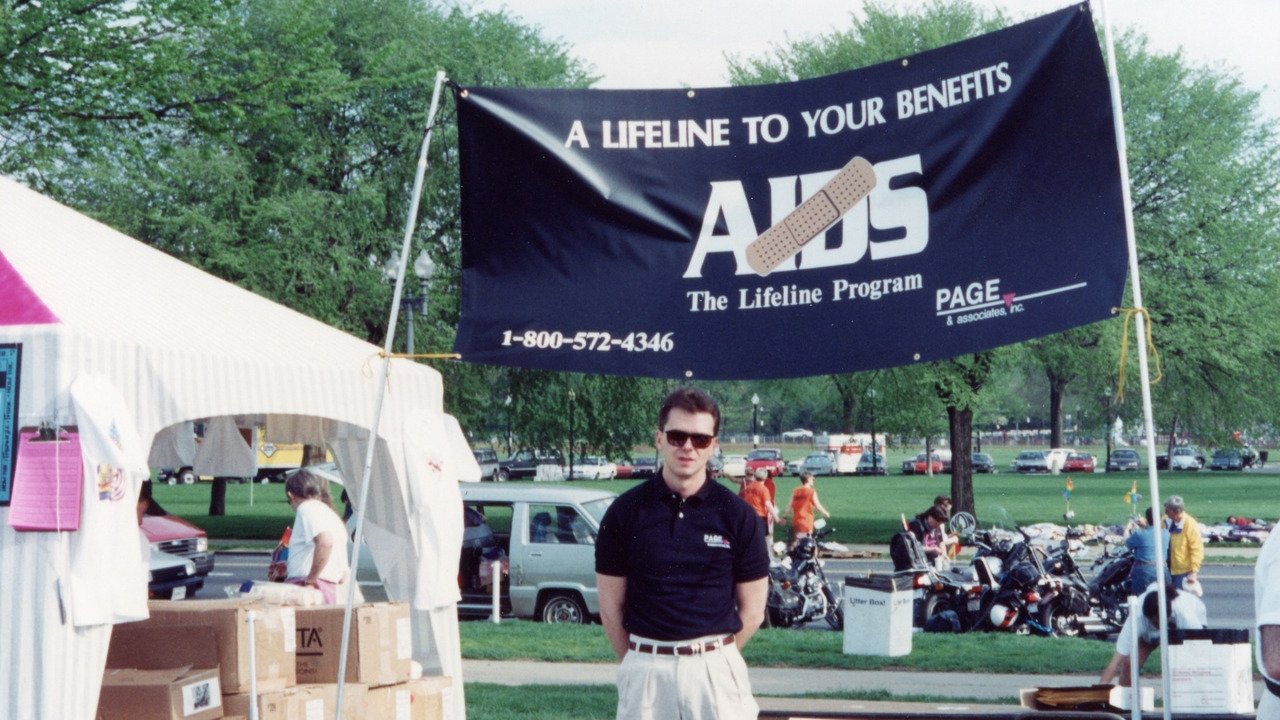
This is really quite a thought-provoking documentary that, though focussed on gay men who died of AIDS (or GRID) early on, could apply to anyone who has insurance policies that make them worth more dead than alive. From the perspective of an innovator in this financial sector, Scott Page, this explores just how poverty-stricken some of the initial sufferers of this disease were. Often alone, jobless and homeless with their scant resources going to pay medical bills, someone hit on the idea of selling already held insurance policies to investors in return for a percentage of the insured sum to be paid immediately. For many with months to live, this presented what appeared to be a golden opportunity to live out what was left of their lives in more comfort and then once they had died, well what need had they for a payout? Win - win? Well initially, and given the indifference and/or hostility of the US Government, this proved to be a crucial lifeline for many and on the face of it wasn’t as venal as you might think. As time progressed, though, and the triple therapy treatment began to emerge towards the end of the 1990s, the now recovering patients and people like Page found themselves facing the ire of the quick-buck merchants who were annoyed that these men weren’t dying on-cue any more. If it weren’t so serious, it’d be funny. Along the way we encounter some other, quite characterful, survivors of those times and learn that many of them have reinvested their time and their efforts in providing assistance for others now facing “life settling” issues. With so many conversations now going on about “assisted dying”, this asks potent questions about just who’s money this is and what can be done to release it to those in need rather than have it come after the event. Of course, there are always some unscrupulous types sniffing around an industry like this, but this doesn’t really focus too much on the avaricious elements - it seems to emphasise more the old adage that there are no pockets on shrouds. Ethical? Well you decide.